
Heart Disease: Clinical Analysis
Heart disease describes a variety of issues affecting your heart’s rhythm, valves, and vessels. As the top cause of death globally across most ethnic backgrounds, understanding these conditions is the first step toward prevention.
Introduction: Why Heart Health Matters
Heart disease remains the leading cause of death globally, yet it is also one of the most preventable conditions we face today. At RPS International, we believe that informed patients are empowered patients.
Maintaining a healthy heart ensures longevity and vitality. Whether seeking advanced cardiovascular diagnostic screenings or improving daily habits, the journey begins with awareness.
What Is Heart Disease?
Heart disease describes a variety of issues that can affect your heart. Coronary Artery Disease (CAD), also known as coronary heart disease, is the most common manifestation. It causes arteries to narrow, which can directly lead to a heart attack.
Beyond the vessels, heart disease can also specifically target your heart muscle, valves, or electrical system. The symptoms you experience and the treatments required are entirely dependent on which of these areas is affected.
Global & Ethnic Impact
Heart disease is the leading cause of death in the United States and globally. Data shows it affects various ethnic backgrounds with high frequency:
- Non-Hispanic Black Adults: Approximately 55% have some form of cardiovascular disease (CVD).
- Non-Hispanic White Adults: CVD affects approx. 48% of males and 43% of females.
- Hispanic Adults: Approximately 43% of males and 38% of females are affected.
- Asian/Pacific Islander: Heart disease is the second leading cause of death, trailing only cancer.
Disease Classifications
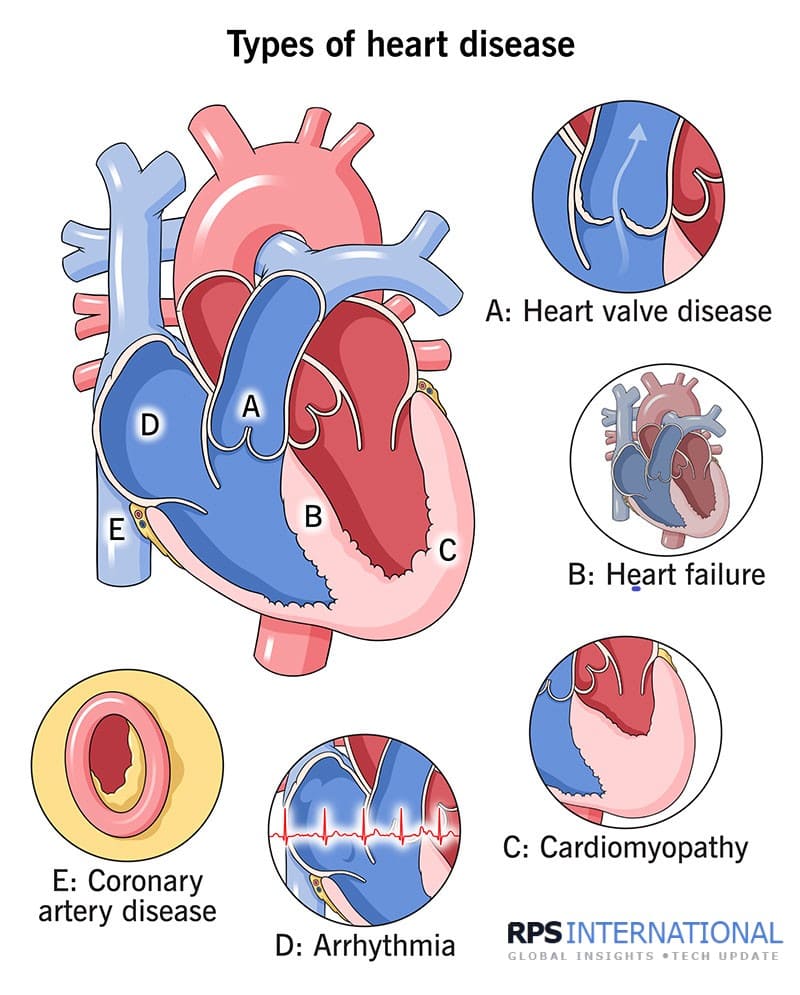
Coronary Artery Disease (CAD)
The most common type. Fatty deposits (Atherosclerosis) narrow vessels, leading to Angina or heart attacks.
Arrhythmias
Electrical system issues that prevent coordinated beating, causing fluttering or racing sensations.
Heart Failure
The heart muscle becomes too weak or stiff to pump enough blood to meet the body’s metabolic needs.
Pericardial Issues
Stiff or inflamed sac (pericardium) around the heart that creates external pressure on cardiac chambers.
Valve Disease
Stenosis (narrowing) or regurgitation (leaking) prevents the one-way flow of blood.
Congenital Defects
Structural problems present from birth, affecting how blood flows through chambers and valves.
Expanded Symptom List
- Standard: Chest pain, fatigue, shortness of breath, dizziness.
- Gastrointestinal: Heartburn, indigestion, nausea, or vomiting.
- Physical: Swelling in legs, exercise intolerance, or fever.
- Sleep: Trouble sleeping or waking up gasping for air.
Non-Cardiac Causes
While arterial blockages are common, heart disease is often triggered by secondary factors:
Risk Factor Analytics
| Factor Category | Specific Condition / Influence |
|---|---|
| Body Composition | A BMI higher than 25 (overweight) significantly increases stress on heart valves and muscle. |
| Metabolic Health | High cholesterol, Type 2 diabetes, and Hypertension are primary drivers of CAD. |
| Demographics | Men carry baseline higher risk; women’s risk escalates post-menopause. Risk persists across all ethnic backgrounds. |
| Substance Use | Tobacco use and substance use disorders cause immediate arterial scarring and vascular injury. |
Critical Complications
Ischemic Stroke
When arteries to the brain are blocked, causing rapid neurological decline.
Aneurysm Burst
A bulge in the arterial wall that can cause fatal internal bleeding if ruptured.
Peripheral Artery Disease
Restricted blood flow to limbs, causing pain (claudication) and tissue death.
The Path to Longevity
Lifestyle changes and medications can keep your heart healthy. Manage stress, aim for 7-9 hours of sleep daily, and maintain an active routine to lower your risk.