
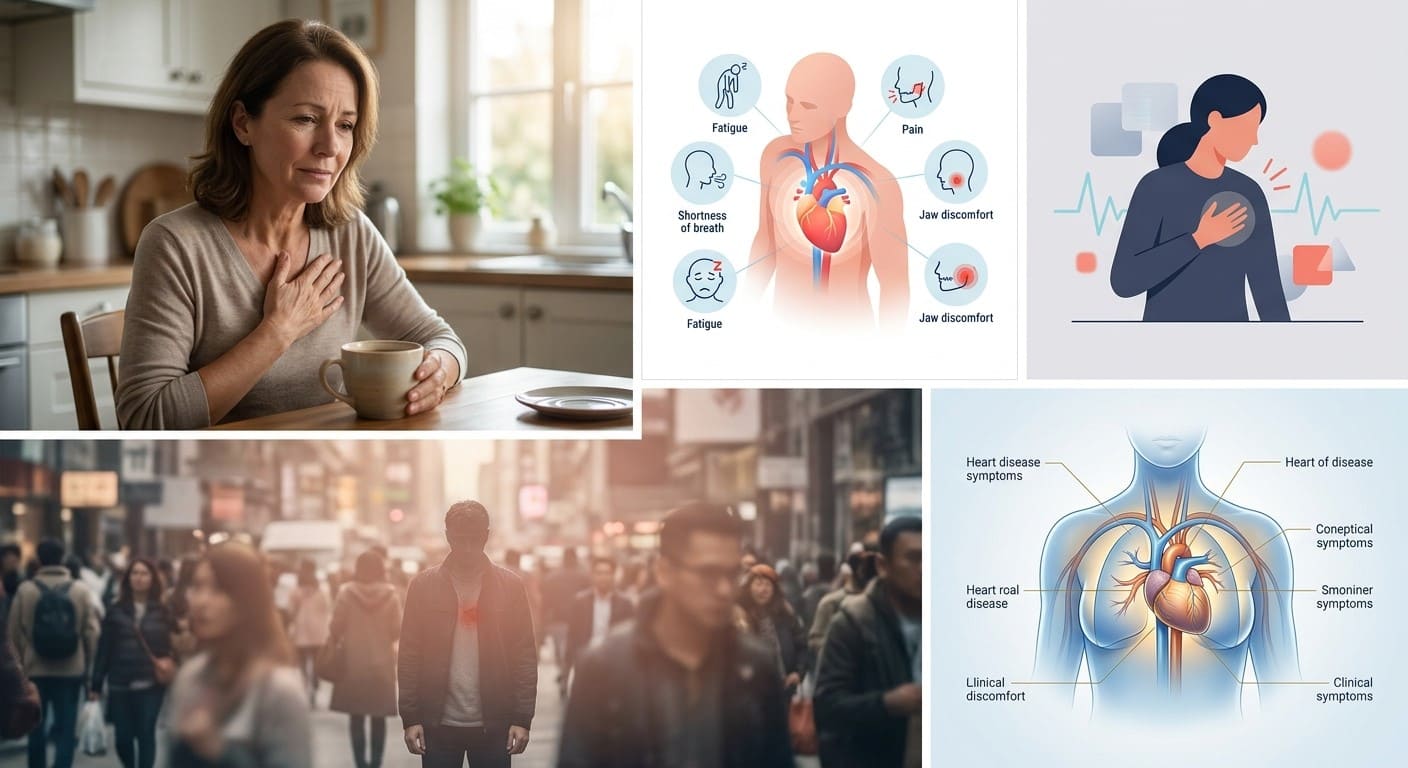
Silent Heart Attack: The Invisible Threat
A silent heart attack (silent myocardial ischemia) occurs without the classic, crushing chest pain. Understanding these subtle signals is the most powerful tool in your cardiovascular arsenal.
The Reality of Silent Ischemia
Cinema portrays heart attacks as dramatic collapses, but medical reality is often subtle. At RPS International, we empower patients to recognize when blood flow is restricted beneath the surface.
Symptoms are frequently dismissed as indigestion or fatigue. This quiet disruption can cause lasting damage to the cardiac muscle if left undiagnosed.
Symptom Variance: Women vs. Men
Female Physiology
Women often experience “atypical” signs due to microvascular disease. Watch for:
- Extreme, unexplained fatigue
- Nausea or lightheadedness
- Pain in the jaw, neck, or upper back
Male Physiology
Men are statistically more likely to experience traditional indicators:
- Classic “crushing” chest pressure
- Pain radiating down the left arm
- Cold sweats and sudden dizziness
5 Warning Signs You Should Never Ignore
Unusual Fatigue
Feeling drained after effortless tasks.
Breathlessness
Struggling for air while lying flat.
Indigestion
Nausea that mimics persistent heartburn.
Mild Pressure
Occasional fullness in throat or jaw.
Anxiety
Unexplained sense of impending doom.
Frequently Asked Questions
Can a silent heart attack be mistaken for acid reflux?
Yes. Many people dismiss chest burning as indigestion. If these sensations occur during physical exertion, consult a professional immediately.
Do silent heart attacks cause permanent damage?
Absolutely. Any disruption in blood flow long enough to cause cell death results in permanent scarring, weakening the heart’s pumping ability.
How often should I get a cardiac screening?
Generally, adults should start regular screenings in their 40s. Those with diabetes or hypertension should begin earlier as these are high-risk catalysts.
Protect Your Cardiovascular Future
Proactive management is about thriving, not just avoiding disease. Schedule your diagnostic screening today.