
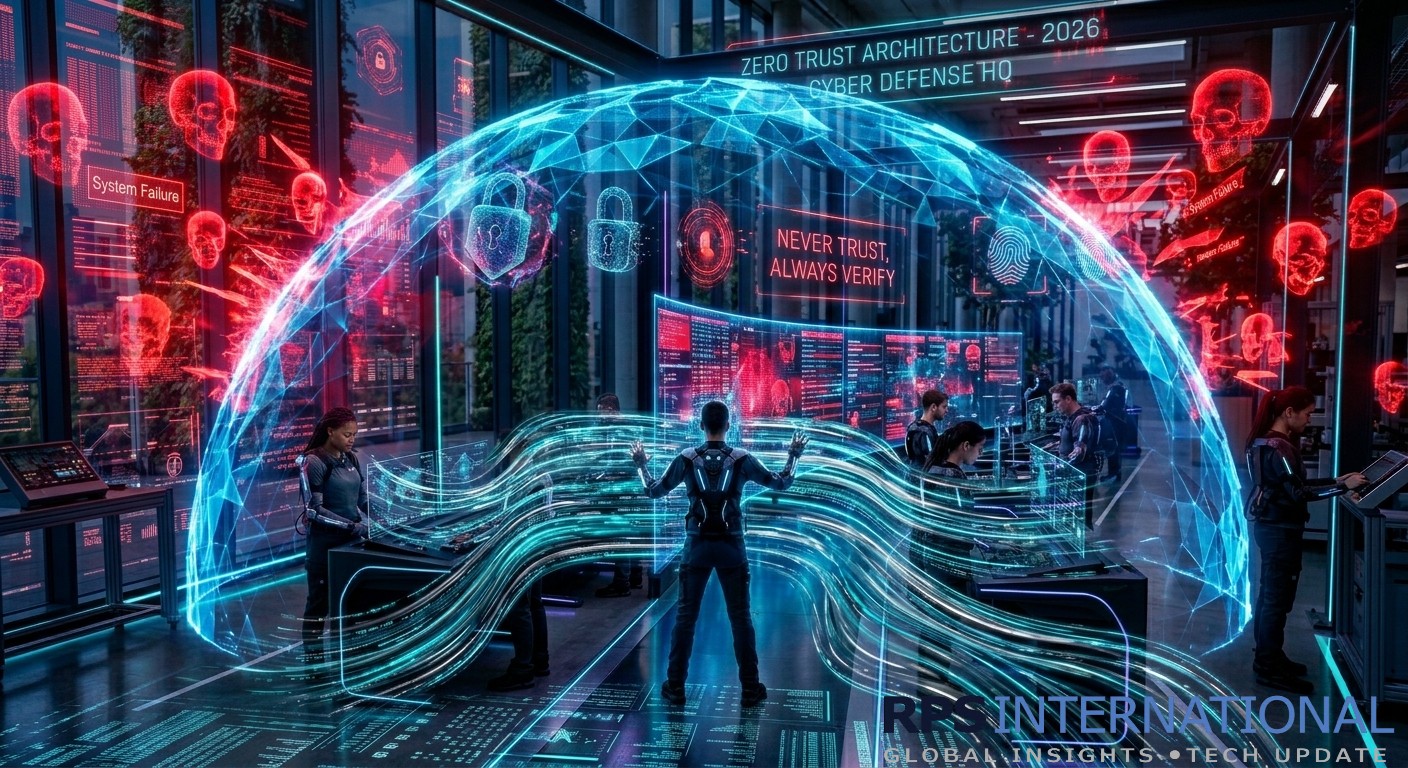
Top 10 Cyber Threats: 2026 Defense Guide
⚠️ The 2026 Threat Landscape
AI-generated video and voice clones used to bypass traditional social engineering defenses.
Malware that adapts its own code in real-time to evade signature-based detection systems.
Early-stage quantum attacks targeting legacy asymmetric encryption algorithms.
Compromising open-source AI libraries to inject “sleeping” vulnerabilities into enterprise software.
📊 How to Prevent Them
Identity-First Verification
Moving beyond passwords to behavioral biometrics that verify a user’s typing rhythm, gait, and interaction patterns continuously.
Post-Quantum Cryptography
Updating infrastructure to lattice-based encryption standards that are resistant to both classical and quantum computing power.
The 2026 Defense Checklist
Using generative AI to simulate and hunt for vulnerabilities before attackers find them.
Securing data in “air-gapped” vaults that cannot be modified or deleted by ransomware agents.
Creating unique security boundaries around every individual application and data set.
Defense FAQ
What is the most dangerous threat right now?
Generative Phishing. Because it can perfectly mimic trusted individuals in real-time, it bypasses traditional training and psychological defenses.
Can individual users protect themselves?
Yes, by utilizing hardware security keys and skepticism-first digital habits, individuals can significantly reduce their risk profile.