 to Large World Models (LWMs) in 2026. Discover how AI masters sarcasm, local dialects, and intent-based reasoning.)
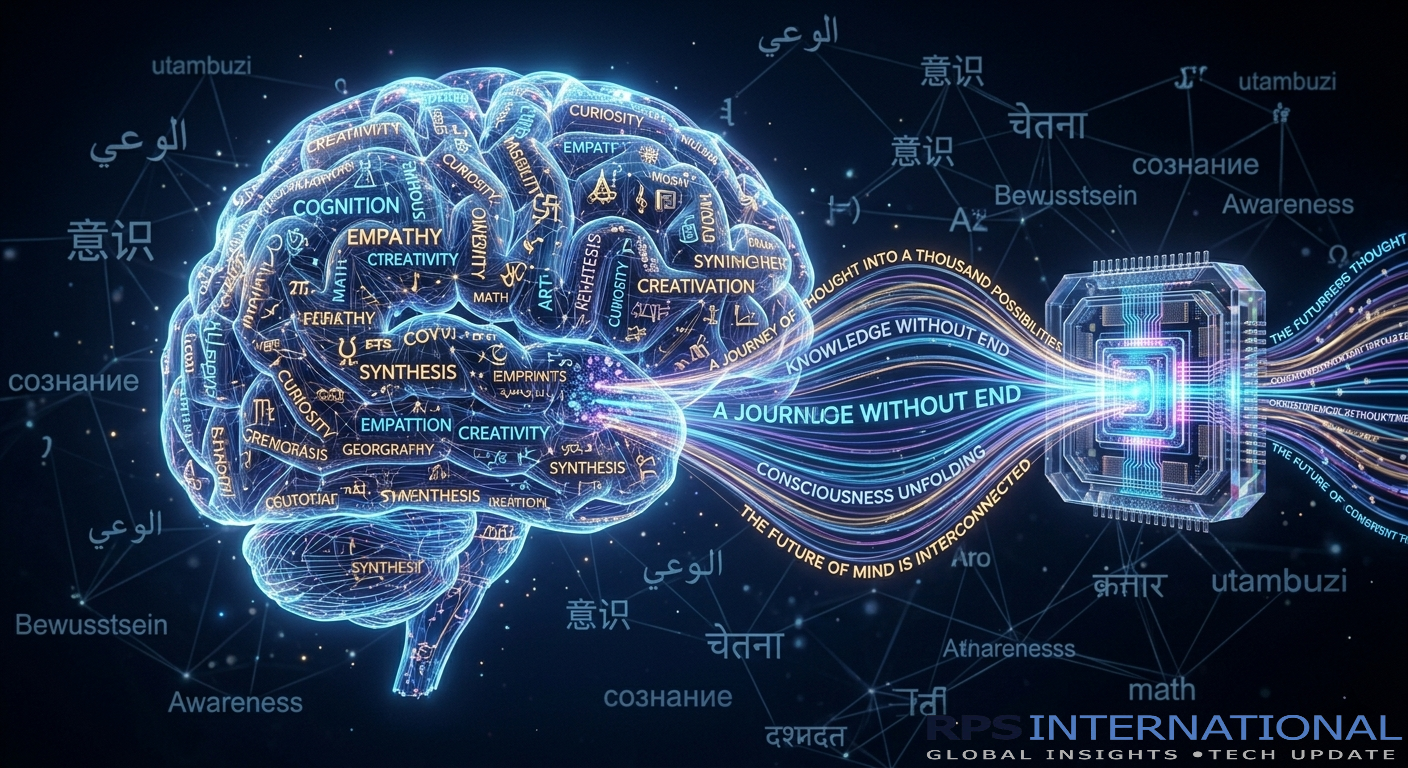
NLP Evolution:
Beyond Words to True Intent
The Three Pillars of 2026 NLP
Emotional Intelligence (EQ)
AI now detects subtle vocal inflections and micro-expressions in text to identify sarcasm, frustration, or hesitation with 98% accuracy.
Dialect Preservation
Hyper-local training has allowed AI to master over 4,000 dialects, moving past “standard” languages to include regional slang and cultural nuances.
System 2 Thinking
AI models now employ “Chain of Thought” reasoning by default, pausing to “think” and verify facts before generating a single word of response.
The Death of the Static Prompt
In 2026, you don’t need to be a “Prompt Engineer.” AI has developed Intent Synthesis—the ability to ask clarifying questions before acting. If you give a vague command, the NLP engine identifies the missing variables and initiates a dialogue to fill the gaps.
This shift is powered by Recursive Context Windows, allowing AI to remember conversations, personal preferences, and shared history over months of interaction without slowing down.
2026 Breakthrough:
Real-time neural translation has reached “Zero-Latency,” enabling two people speaking different languages to have a fluid conversation in AR with no perceptible delay.
How LWMs Differ from LLMs
Large World Models (LWMs) bridge the gap between text and reality:
- Multimodal Grounding: Words are linked to visual and physical properties (e.g., AI knows “heavy” implies gravity).
- Temporal Awareness: Understanding that the meaning of words can change based on current events or time of day.
- Agency: The ability to use tools (browsers, apps, APIs) to verify linguistic claims in real-time.
- Ethical Filtering: Context-aware safety layers that understand the difference between a creative story and a harmful request.
Semantic Search: The End of Keywords
The biggest impact of 2026 NLP is in how we find information. Traditional search engines looked for word matches; modern NLP engines look for Conceptual Harmony. When you ask a question today, the AI isn’t just looking for your words in a database—it is looking for the *answer* that exists in the multi-dimensional space of human knowledge.
For businesses, this means “Search Engine Optimization” has transformed into “Value Optimization.” You no longer rank by stuffing keywords; you rank by providing the most comprehensive, linguistically clear, and contextually relevant answer to a user’s true intent. AI is now the world’s most sophisticated editor, rewarding depth over density.
NLP Capability: 2022 vs. 2026
| Feature | The LLM Era (2022-2023) | The LWM Era (2026) |
|---|---|---|
| Mechanism | Statistical Word Prediction | Logical Intent Synthesis |
| Reasoning | Probabilistic (Guesswork) | Determinative (Verified Steps) |
| Multilingualism | Translation-Based | Native Dialect Logic |
| Memory | Short-term (Session-based) | Episodic (Continuous Context) |
Master the Language of Tomorrow
The barrier between human and machine is dissolving. Learn how to leverage advanced NLP to transform your communication, data, and workflows.