
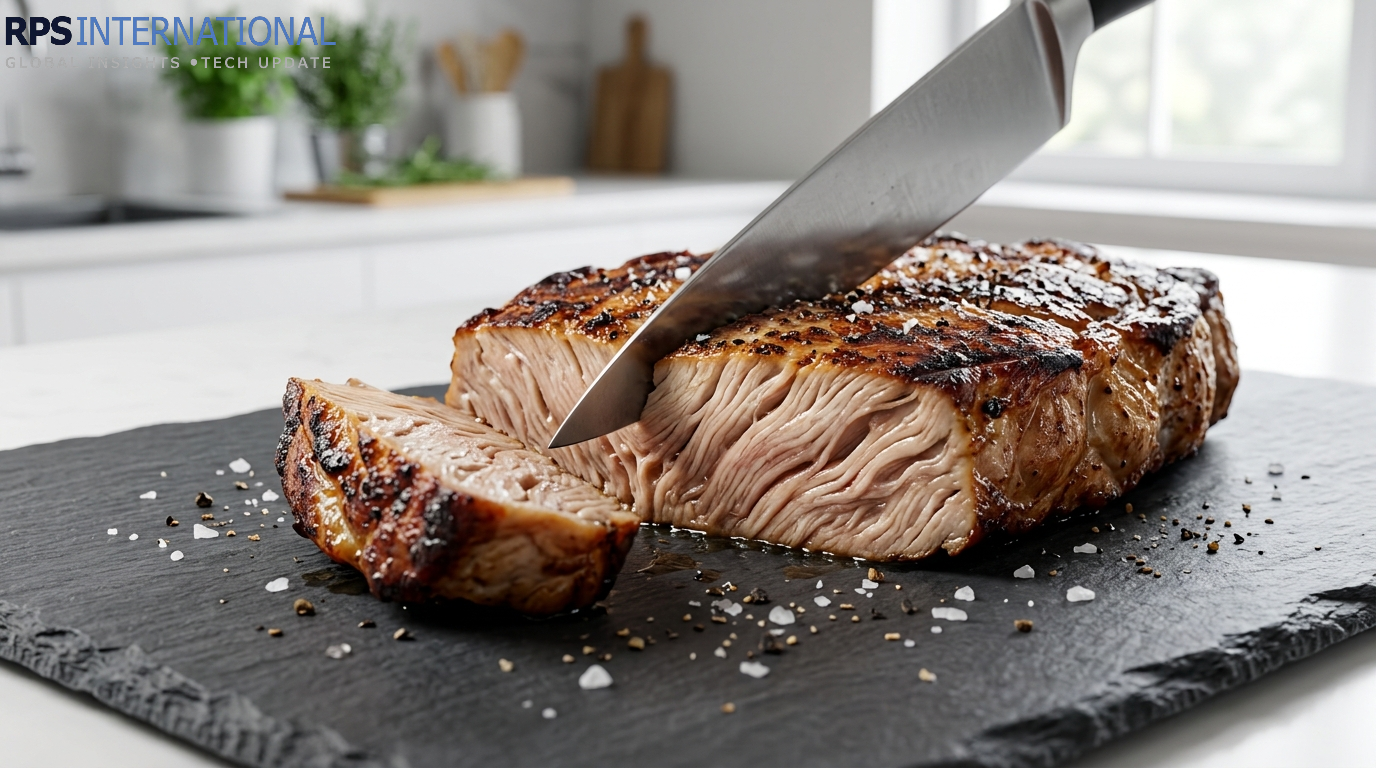
PLANT-BASED 2.0:
THE MYCELIUM AGE
The Biological Breakthrough
Whole-Food Fermentation
Instead of extracting proteins from peas and re-binding them, mycelium is grown in large bioreactors. In 2-6 days, it forms a dense, fibrous mat that can be harvested as a whole food.
Zero-Saturated Fat
Unlike beef (which carries heavy cardiovascular risks) or coconut-oil-laden vegan burgers, mycelium is naturally heart-healthy and rich in gut-supporting prebiotic fibers.
2026 Market Outlook
The global mycelium market is projected to reach $3.3 billion by the end of 2026. While North America currently leads in adoption, the Asia-Pacific region is the fastest-growing market as food security concerns drive investment in vertical fermentation facilities.
Environmental Win:
Replacing just 20% of global beef consumption with mycelium-based protein could cut annual deforestation and CO2 emissions by half by 2035.
Taste the Future
Ready to switch to a cleaner, whole-food protein? Discover the 2026 Mycelium Cookery Guide.