
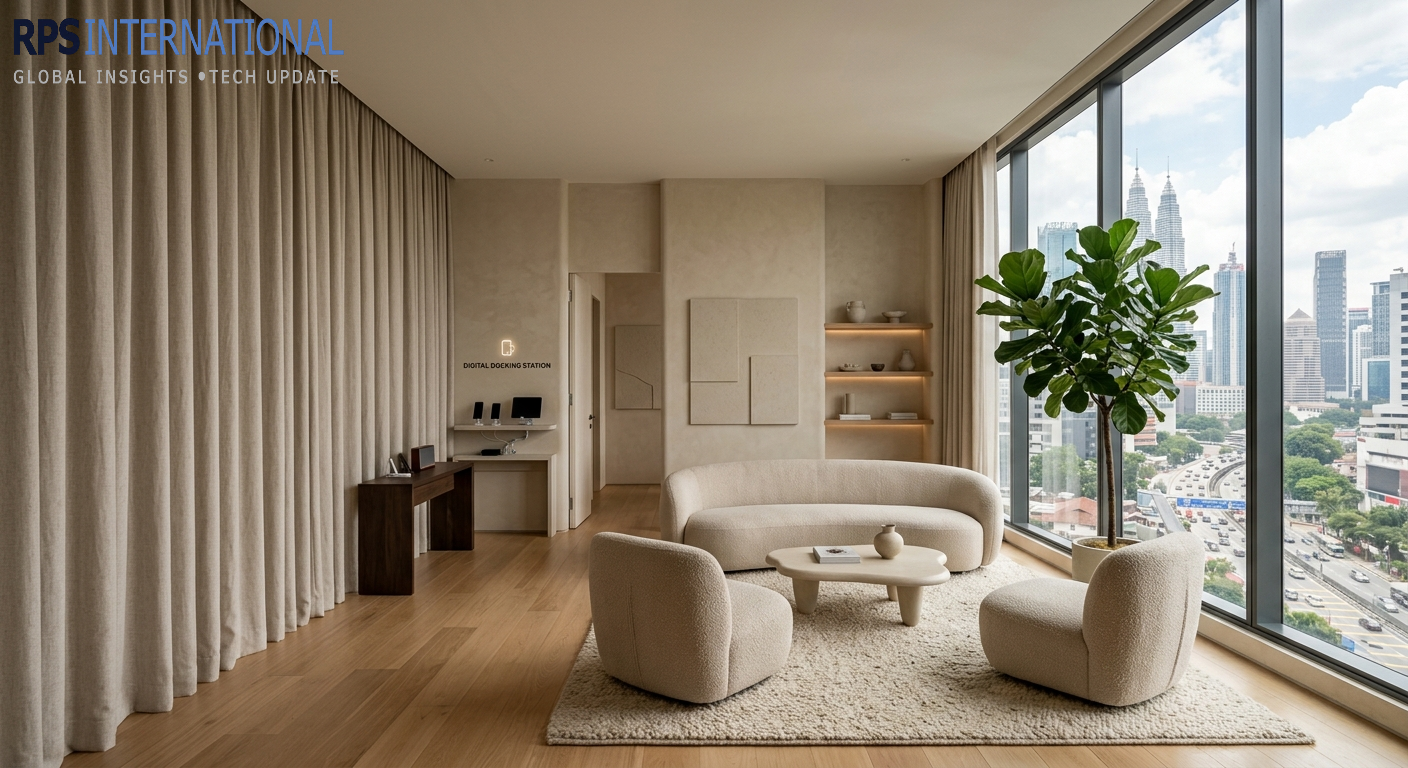
THE ARCHITECTURE OF
SILENCE
The Four Pillars of the Quiet Home
1. Acoustic Softening
The 2026 home utilizes ‘Soft Architecture.’ Every surface—from bookshelves to walls—is evaluated for its sound-absorption coefficient. The goal is a ‘Hush Factor’ that eliminates the echo and bounce of city life.
2. Visual De-Escalation
Removing ‘Micro-Distractions.’ This means hiding cables, using matte instead of reflective finishes, and ensuring all appliances have ‘Dark Mode’ physical switches to eliminate standby light pollution at night.
“We aren’t just clearing out cupboards anymore. We are clearing out the noise in our heads. A Quiet Home doesn’t just look good on camera; it feels like a deep, restorative exhale the moment you walk through the door.”
— Julian Vane, 2026 Sensory Architect
Find Your Center.
Is your home contributing to your stress? Take the 2026 Sensory Load Audit and begin your journey to a Quiet Home.