 and AI phenotyping are saving lives through early intervention.)
ENDING THE
ODYSSEY
The New Standard of Rare Care
Ultra-Rapid Sequencing
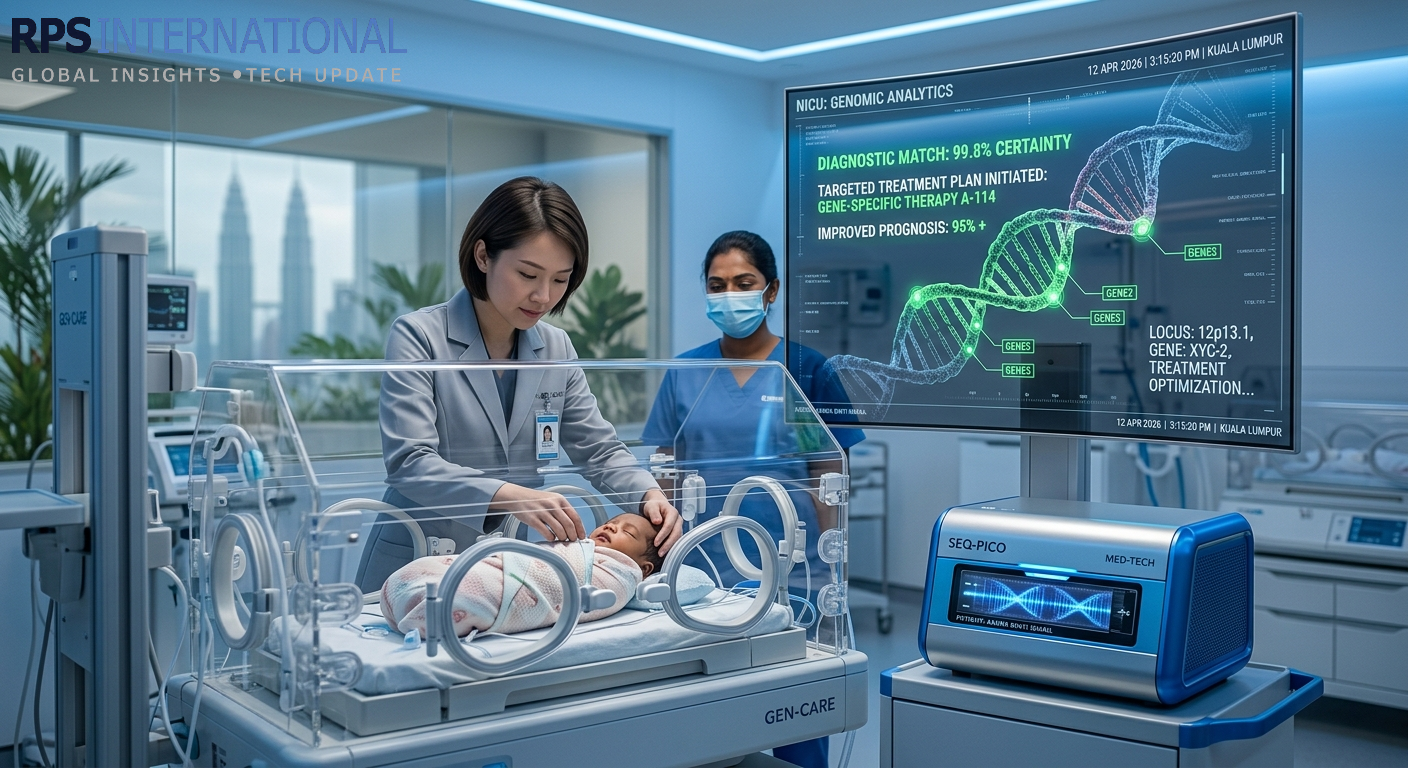
The 2026 clinical standard for unexplained illness is ‘Genomic-First.’ High-throughput sequencers now process 3.2 billion base pairs in hours. This allows medical teams to bypass months of inconclusive testing and move directly to a molecular diagnosis while the patient is still in the initial care phase.
AI-Augmented Phenotyping
In 2026, AI assists doctors by ‘reading’ a patient’s symptoms—from facial symmetry to metabolic markers—and mapping them to specific genetic variants. This digital co-pilot ensures that even the rarest conditions are flagged, regardless of whether the local physician has seen the condition before.
“We are effectively ending the era of ‘mystery illnesses.’ In 2026, genomic sequencing has become the ultimate diagnostic tool, giving families answers in days that their parents’ generation spent a lifetime searching for. Answering ‘why’ is the first step toward a cure.”
— Dr. Julian Vane, Genomic Medicine Specialist 2026
Knowledge is Hope.
Help us raise awareness for the 1 in 10 living with a rare disease. Explore the 2026 Rare Disease Genomic Resource Center.