
THE TRANSATLANTIC
SCHISM
A Divided Response to Hormuz
The “Sovereignist” European Pivot
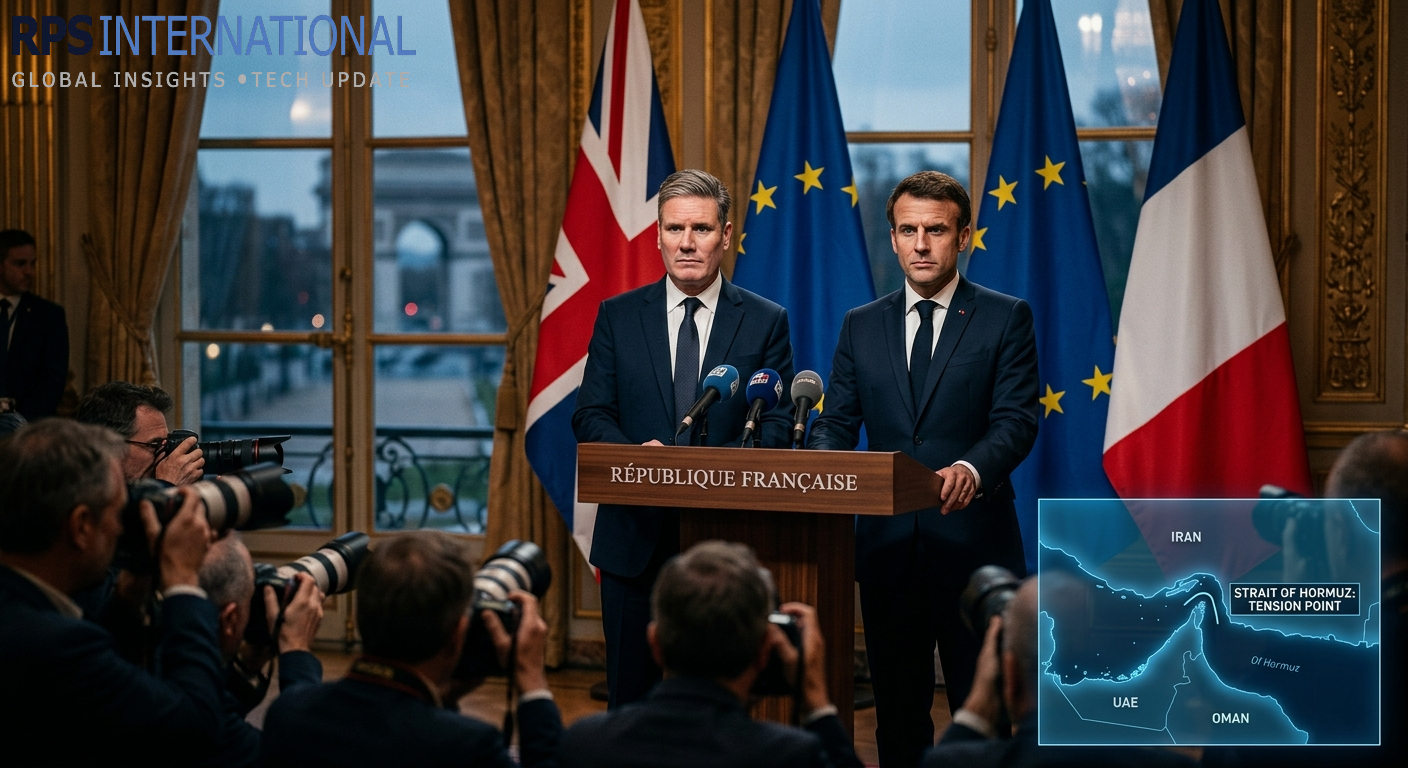
The 2026 European refusal is rooted in the fear of a “Permanent War.” British PM Keir Starmer has made it clear that while freedom of navigation is vital, the UK will not use its minesweeping and naval assets to participate in an act of war—a blockade—without a negotiated settlement or a clear UN mandate.
The Alternative Summit
In a move that has “blinded” the White House, France and the UK are convening over 30 nations—including India and several Gulf states—to formalize a maritime mission that is ‘separate from the warring parties.’ This initiative aims to reassure markets and reduce insurance premiums without aligning with the US-Israeli kinetic campaign.
“We are not supporting the blockade. Our military capability is focused on getting the strait fully open, not on being dragged into a war. We need a clear, thought-through plan that doesn’t just escalate the violence but restores the law of the sea.”
— Julian Vane, NATO Strategic Advisor 2026
The Alliance in Flux.
How will the NATO rift affect global security? Access the 2026 Briefing on Transatlantic Relations and Middle East Policy.