
THE PANDEMIC
PREDICTOR
The Science of Proactive Prevention
Environmental DNA (eDNA) Synthesis
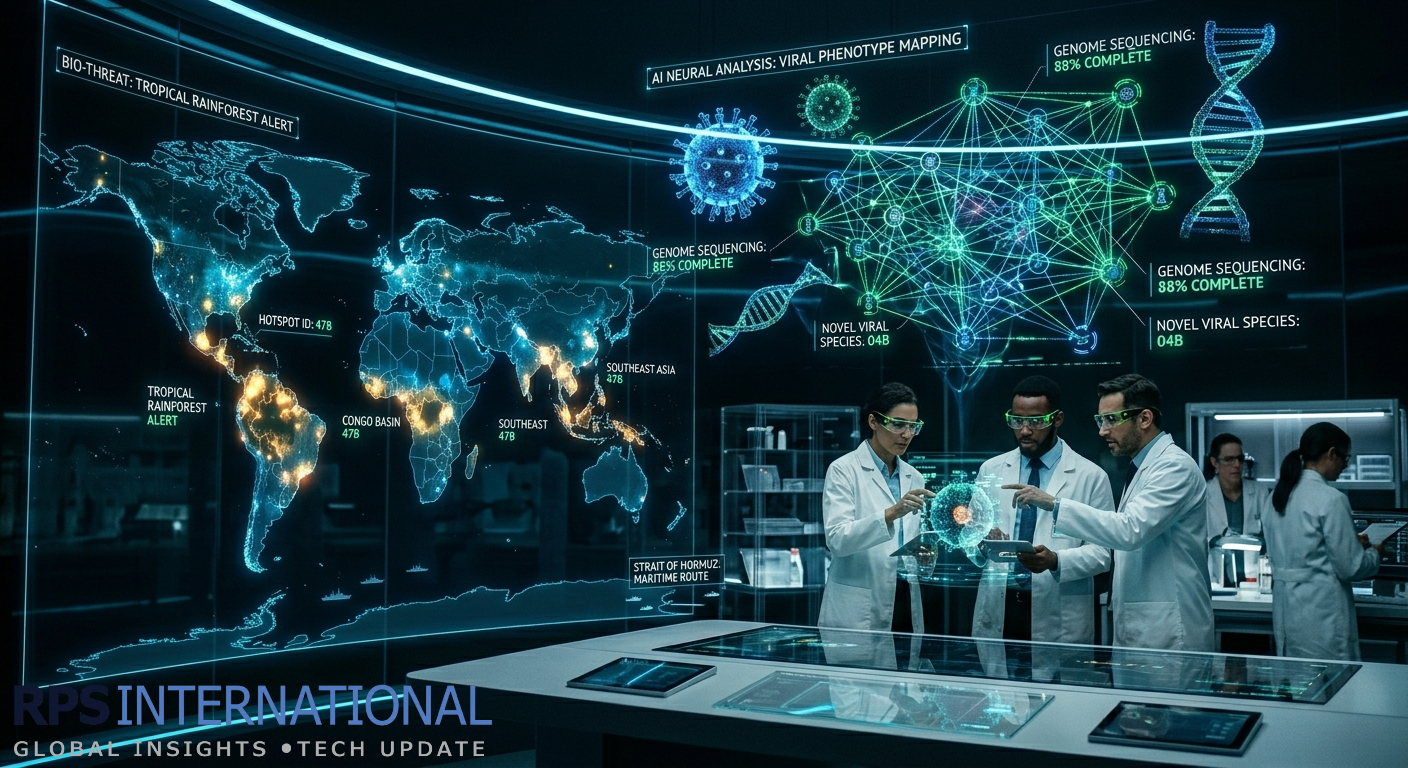
Sentinel-Z utilizes 2026’s most advanced field-sequencers to analyze eDNA from soil and water in tropical hotspots. The AI cross-references these genetic signatures against a database of millions of known viral structures, identifying ‘high-concern’ mutations that suggest a virus is adapting for human-to-human transmission.
Eco-Acoustic Behavior Monitoring
Large-scale illness in wildlife often precedes human spillover. The system’s AI monitors ‘the pulse of the forest,’ detecting changes in bat colony vocalizations or primate movement patterns that indicate a mass-mortality event. This ‘Acoustic Early Warning’ provides the first line of defense in the 2026 health landscape.
“We are essentially teaching computers to understand the ‘language’ of spillover. In 2026, we no longer have to wait for people to get sick to know there is a threat. By monitoring the ecology of the virus itself, we can intervene when the risk is still localized to a single forest or market, saving millions of lives and trillions in economic value.”
— Julian Vane, Global Health Technologist 2026
Securing the Future of Health.
Are we ready for the next viral challenge? Access the 2026 Global Biosecurity & AI Preparedness Report.