
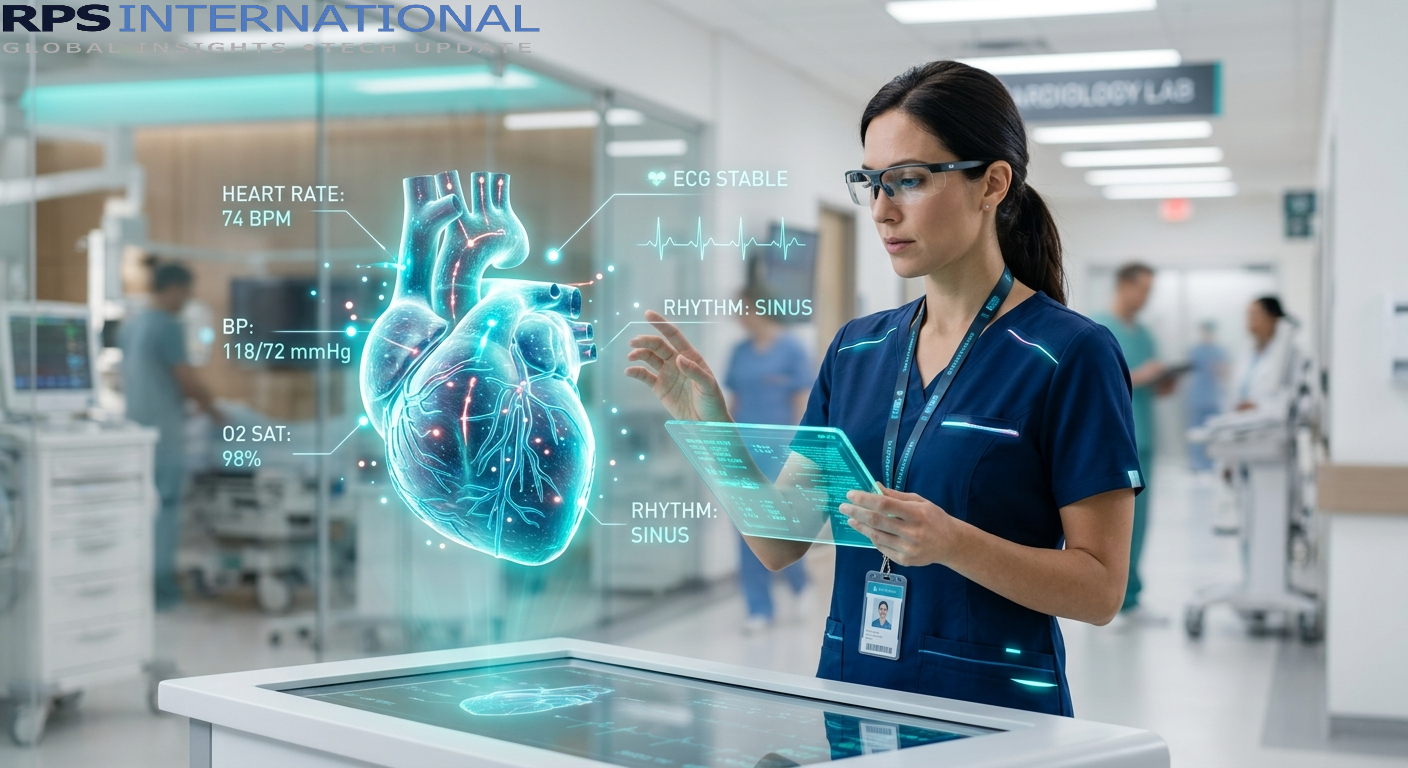
AI in Healthcare:
Predictive Analytics Saving Lives
The Pillars of Predictive Medicine
Early Oncology Detection
AI algorithms analyze liquid biopsies and imaging data to catch cellular mutations years before physical symptoms manifest.
Cardiac Event Forecasting
Wearable data integrated with AI can predict potential heart failure or stroke events up to 72 hours in advance with 94% accuracy.
Resource Optimization
Predicting patient admission surges allows hospitals to manage bed capacity and staffing levels efficiently, reducing burnout and wait times.
Beyond Diagnosis: Precision Treatment
In 2026, AI doesn’t just name the disease; it simulates the cure. Through Digital Twins, doctors can test thousands of drug combinations on a virtual replica of a patient’s own genetic code before prescribing a single pill.
This eliminates the “trial and error” phase of traditional medicine, particularly in complex cases like autoimmune disorders and rare pediatric diseases.
2026 Outcome Insight:
Smart ICUs using predictive analytics have seen a 30% reduction in sepsis-related mortality due to early-warning AI triggers.
Clinical Applications of AI
AI is now deeply embedded in every stage of the patient journey, providing a safety net that never sleeps:
- Radiology AI: Instantly highlighting microscopic fractures or lesions in seconds.
- Pharmacogenomics: Predicting how specific patients will metabolize medications based on DNA.
- Remote Monitoring: Virtual wards that monitor chronic patients at home with clinical precision.
- Emergency Triage: Speech analysis AI in call centers that detects stroke or cardiac distress in real-time.
The Science Behind Predictive Analytics
At its core, predictive analytics in healthcare is built upon Deep Learning (DL) models trained on petabytes of anonymized medical records, clinical trials, and genomic data. Unlike standard statistics, these AI models can identify non-linear relationships—small changes in blood pressure combined with subtle variations in sleep patterns and blood glucose that, when analyzed together, point toward a specific health trajectory.
One of the breakthrough technologies of 2026 is Federated Learning. This allows AI to learn from data across multiple hospitals worldwide without sensitive patient information ever leaving its original server. This global “knowledge sharing” ensures that a rare condition diagnosed in London can help predict a similar case in Jakarta, vastly improving the speed of diagnosis for orphan diseases.
However, the human element remains paramount. The role of the physician has evolved into that of an AI Interpretant—using the vast data generated by these systems to make empathetic, value-based decisions. The goal is “Augmented Intelligence,” where the machine handles the data crunching and the doctor focuses on the patient.
Healthcare Evolution: 2021 vs. 2026
| Service Area | Traditional Care (2021) | Predictive Care (2026) |
|---|---|---|
| Chronic Disease | Symptom Management | Pre-symptomatic Intervention |
| Diagnosis Speed | Weeks/Months (Tests) | Minutes (Instant AI Analysis) |
| Patient Personalization | General Protocols | Hyper-personalized DNA-based |
| Clinical Workflow | Manual Charting/Alerts | Autonomous Smart Alerting |
Join the Proactive Healthcare Era
The data to save a life exists today; we just need the AI to read it in time. Harnessing predictive analytics is the ultimate step in human longevity.