
Heart Screening: Data-Driven Prevention
The most powerful tool against heart disease is information. Early identification through professional cardiovascular checkups can prevent underlying issues from escalating into life-altering events.
Why Early Detection Saves Lives
Heart disease screening at RPS International provides a baseline of your health, allowing physicians to track subtle changes in arterial health and heart rhythm over time.
High-Risk Groups
Over 40, family history of cardiac issues, or chronic conditions like hypertension and diabetes.
Warning Signs
Unexplained fatigue, heart palpitations, or a sudden decrease in exercise tolerance.
Essential Screening Modalities
Lipid Panels
The first line of defense. These tests provide a snapshot of vascular health and the inflammatory state of your arteries.
Calcium Scoring
A specialized CT scan that measures calcified plaque. Highly predictive of future heart attack risk.
Stress Testing
Evaluates heart performance under physical exertion to uncover issues hidden while the body is at rest.
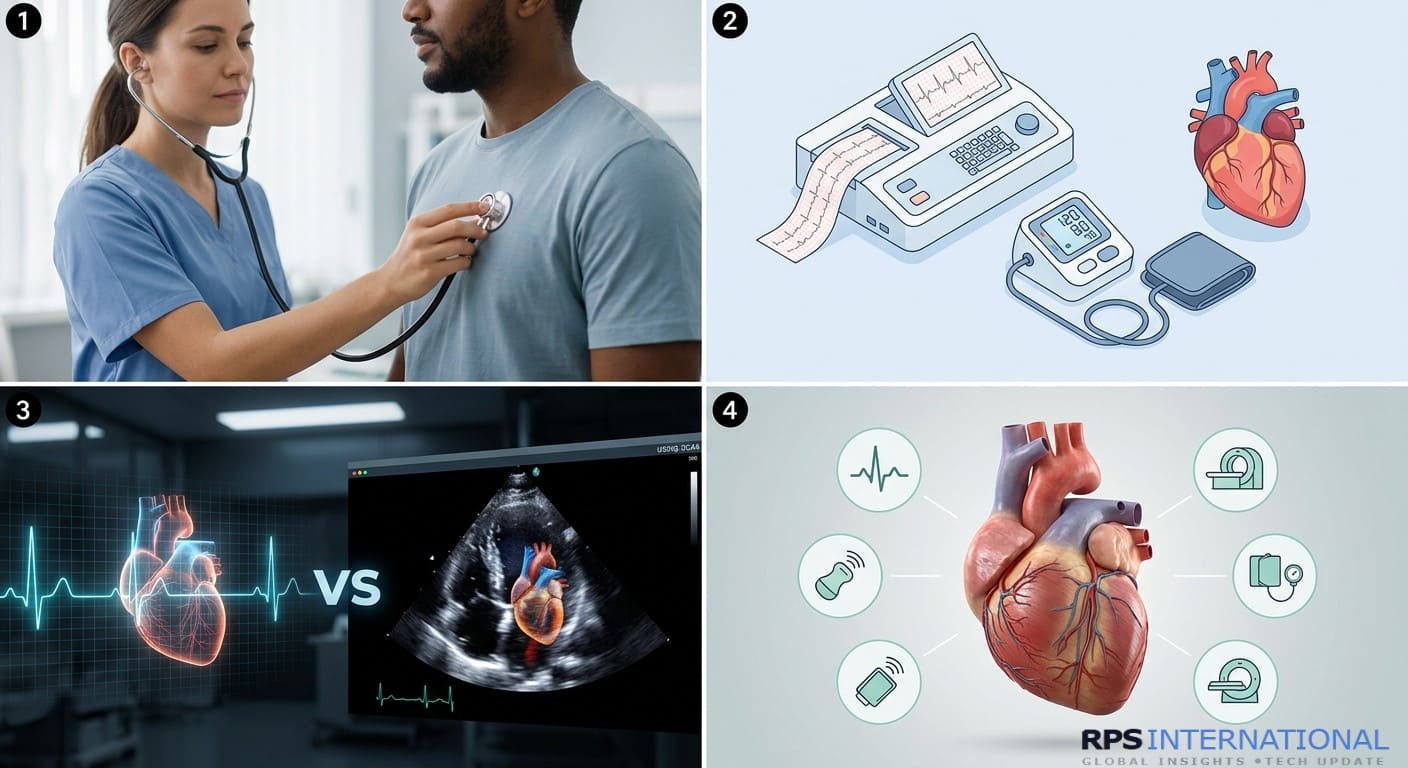
Imaging Comparison: ECG vs. Echocardiogram
| Diagnostic Tool | Primary Function & Focus |
|---|---|
| ECG (Electrocardiogram) | Records electrical activity. Best for detecting arrhythmias and rhythm irregularities. |
| Echocardiogram | Uses ultrasound waves. Creates a visual map of physical structure, valves, and pumping action. |
Screening Logistics (FAQ)
At what age should I start heart disease screening?
Foundational checks (blood pressure/cholesterol) should begin at age 20. Advanced imaging is typically recommended between ages 40 and 50.
How does a calcium score test predict risk?
It identifies the presence of calcified plaque in coronary arteries. A higher score directly correlates to an increased risk of future coronary events.
How should I prepare for my appointment?
Arrive well-hydrated, avoid caffeine for a few hours prior, and bring a list of current medications to ensure the most accurate results.
Map Your Strategy for Vitality
Don’t wait for symptoms to arise. Take proactive control of your heart health today with cutting-edge diagnostics.