
THE ALGORITHMIC
APOTHECARY
How AI Prevents “Silent” Toxicity
Enzyme Pathway Prediction
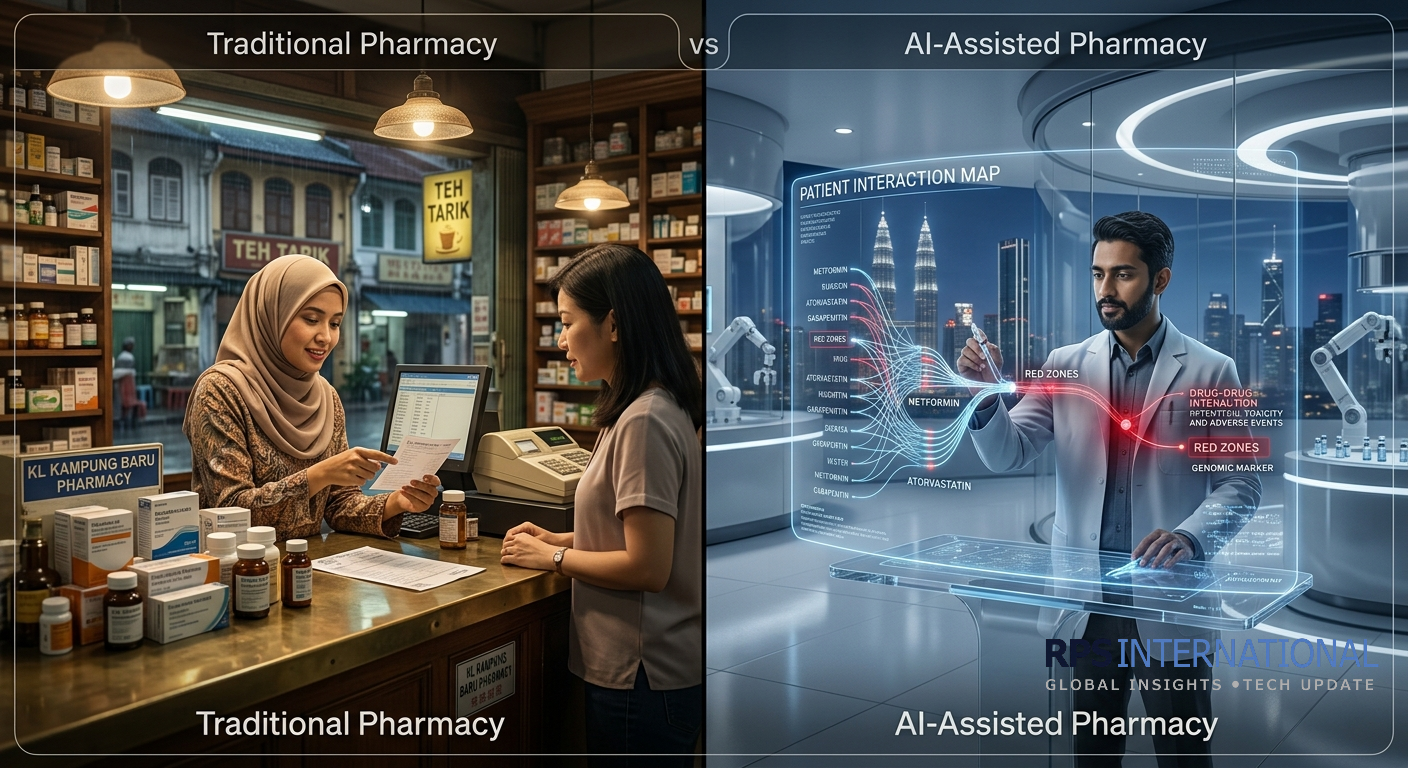
In 2026, AI models the ‘Logistics’ of the liver. Many drugs use the same ‘delivery trucks’ (enzymes) to enter the bloodstream. If five drugs all need the same truck, a traffic jam occurs, leading to toxicity. AI predicts these jams weeks in advance, suggesting alternative medications with different metabolic exits.
Pharmacogenomic Filtering
Generic warnings are replaced by genetic reality. The 2026 AI Pharmacist scans a patient’s DNA for ‘Poor Metabolizer’ markers. This prevents the common error of prescribing a standard dose of a medication that the patient’s body literally cannot process, turning a routine pill into a dangerous poison.
“The human brain simply cannot compute the potential interactions across twelve different medications, three supplements, and a specific genetic profile. AI is not replacing the pharmacist; it is giving the pharmacist the superpowers needed to manage the modern, complex patient.”
— Dr. Sarah Chen, Director of Digital Health 2026
Personalized Medicine is Here.
Is your medication regimen optimized for your biology? Download the 2026 Patient Guide to AI-Assisted Polypharmacy.