
SYNCHRON VS. NEURALINK:
THE BATTLE FOR THE BRAIN
Why Endovascular Matters
No Drill, No Drama
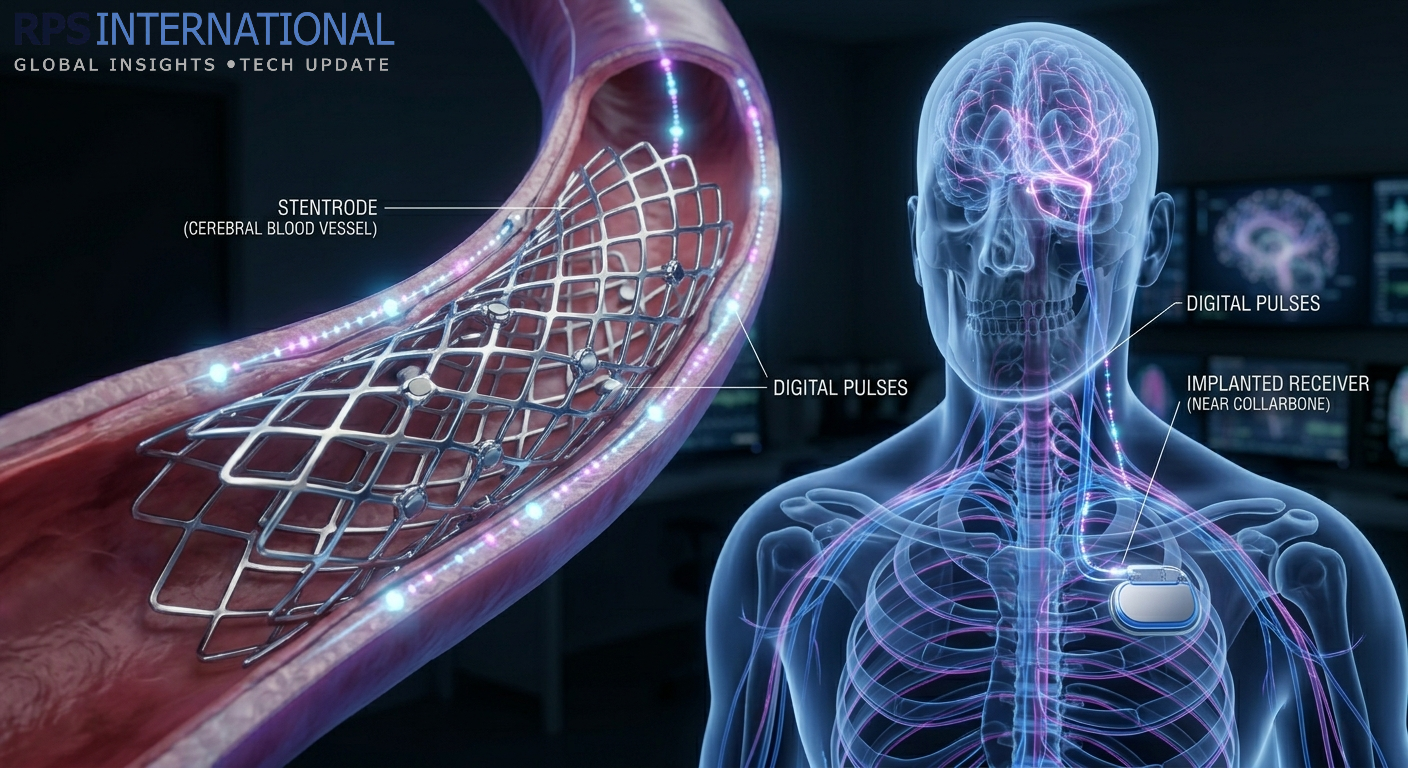
Neuralink requires a robot to drill through the skull. Synchron enters through the jugular vein. This radically reduces the risk of infection and inflammation, making it the preferred choice for early medical adopters in 2026.
The Neural Bypass
The Stentrode translates thoughts into “digital clicks.” In 2026, patients are using this to control everything from smart home environments to specialized cursors, restoring a level of independence that was once lost to paralysis.
The “Boring” Path to Victory
“While Neuralink captures the headlines with futuristic robots, Synchron is winning on regulatory safety. By piggybacking on 40 years of stent technology, they’ve bypassed the biggest clinical hurdles. In 2026, the question isn’t who has the most bandwidth—it’s who can get cleared for home use first.”
— Mark Thompson, MedTech Analyst 2026
The Future is Synchronized.
Witness the first successful domestic BCI installations. Download the 2026 Synchron Clinical Report.