
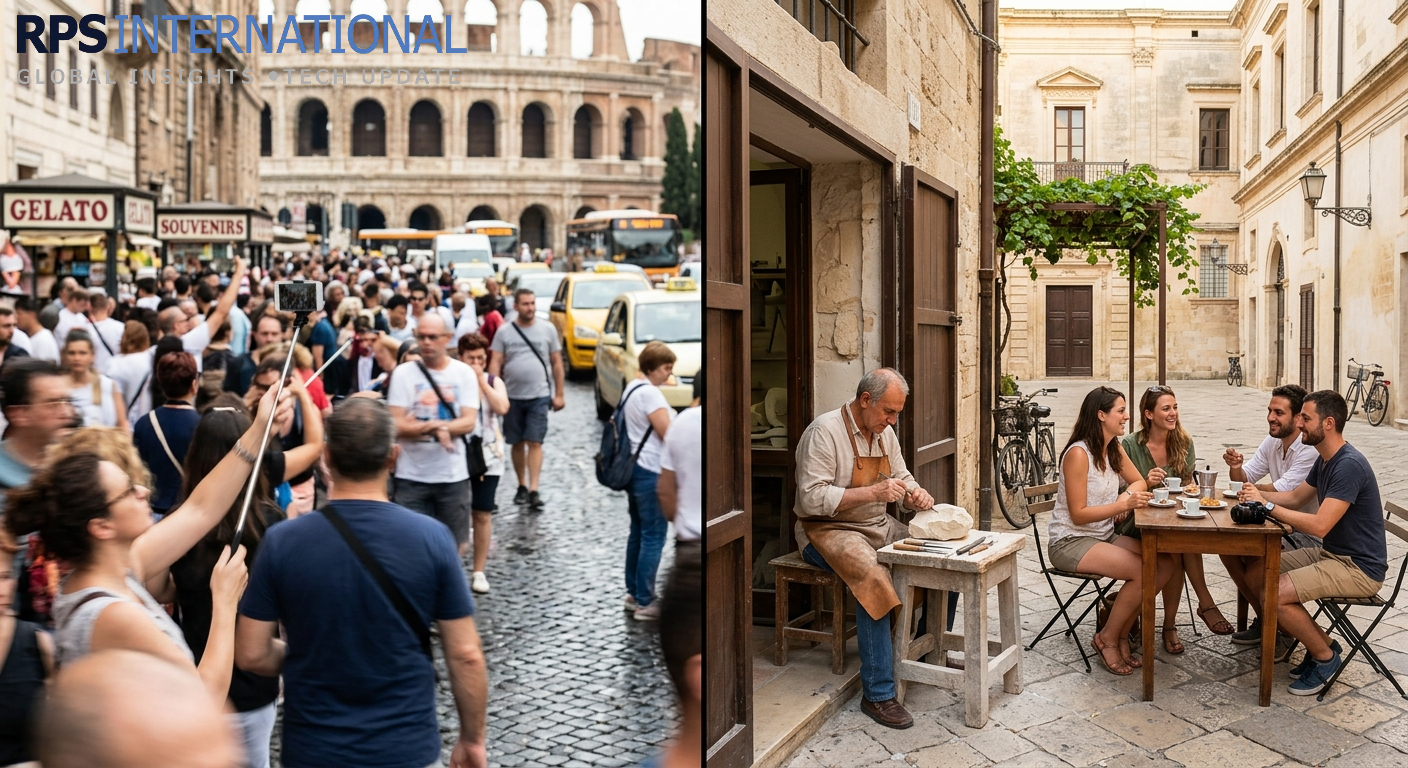
THE SECOND CITY
REVOLUTION
Why Second Cities are Winning
1. The “Authenticity” Buffer
In a second city, you aren’t just another tourist; you’re a guest. Because these hubs aren’t burnt out by hordes, locals have the time and desire for genuine conversation. Whether it’s a neighborhood bakery in Lyon or a craft shop in Chiang Mai, the interactions are organic, not transactional.
2. Economic Redistribution
Second-city tourism is a sustainability masterstroke. It moves revenue away from saturated ‘museum cities’ and into emerging regional economies. In 2026, governments are incentivizing this shift through direct flight routes and tax breaks for rural hospitality startups.
“We’ve reached ‘Peak Hotspot.’ The traveler of 2026 isn’t impressed by a landmark they’ve seen on a thousand posters; they’re impressed by the hidden jazz bar in Warsaw or the street food trail in Padang. The second city is where the real story starts.”
— Lydia Winter, Editor-in-Chief, The Explorer 2026
Find Your Next Favorite Secret.
Ready to skip the crowds? Download the 2026 Guide to the Top 50 ‘Destination Dupes’ Worldwide.