
THE PRICE OF
PROTECTION
The 2026 Economic Friction Points
The Intermediate Goods Bottleneck
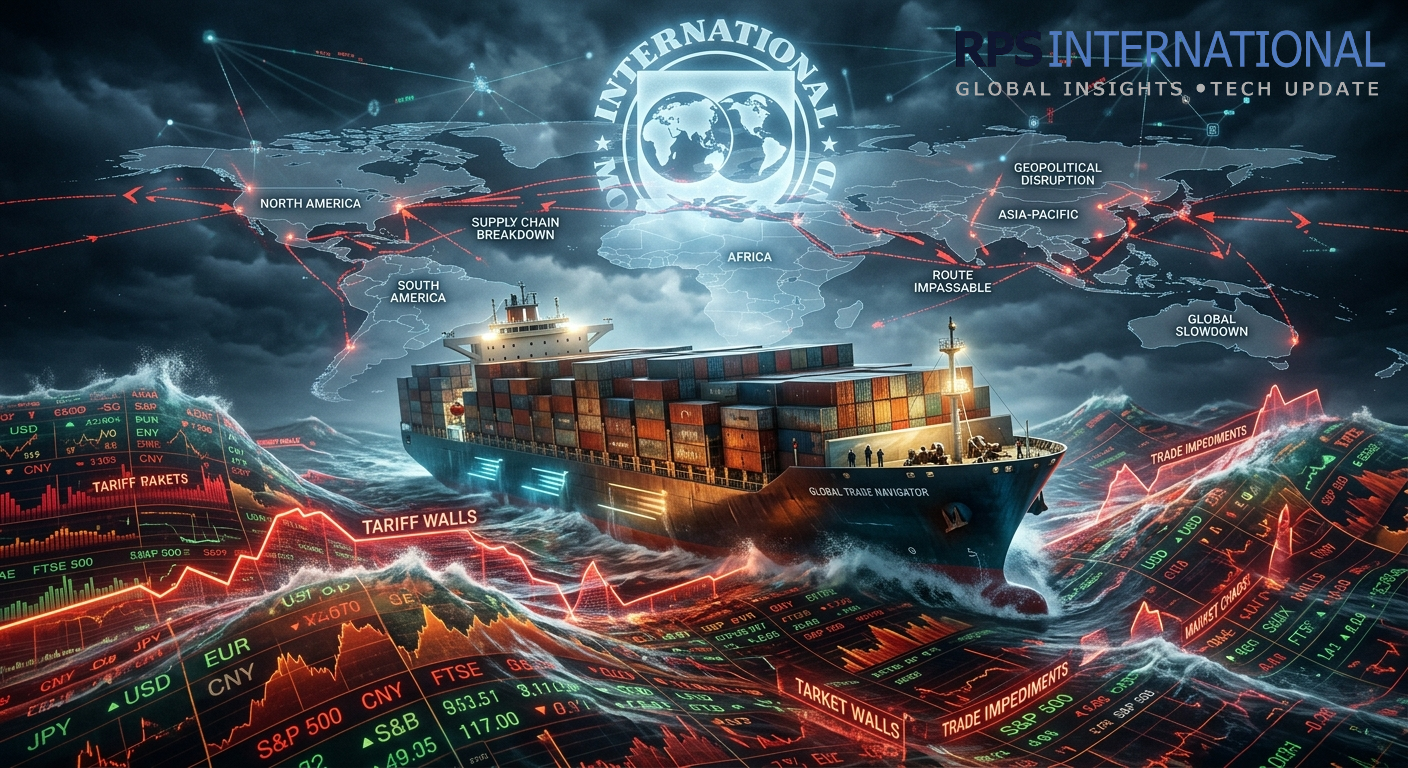
The IMF’s 2026 data shows that tariffs are no longer just hitting finished products like cars or phones. Instead, ‘Upstream Tariffs’ on lithium, cobalt, and refined copper are making the Green Energy Transition 25% more expensive than 2024 projections. This is slowing the rollout of solar and wind infrastructure precisely when it is needed most to combat energy shocks.
Monetary Policy Divergence
Tariffs are complicating central bank efforts to lower interest rates in 2026. While demand is cooling, the ‘cost-push’ inflation from imported goods is keeping core CPI higher for longer. The IMF warns that this ‘Tariff Trap’ could lead to a period of stagflation in highly import-dependent economies, particularly in Western Europe and parts of Southeast Asia.
“We are testing the elastic limits of the global system. In 2026, tariffs are being used as a primary tool of statecraft, but they carry a hidden tax on every consumer. The IMF’s latest report is a clear signal: you cannot have localized security and global-scale efficiency at the same time. The ‘Resilience’ we see now is mostly companies burning through their cash reserves to survive the friction.”
— Julian Vane, Global Economic Strategist 2026
Navigate the New Trade Map.
Is your supply chain resilient enough for the 2026 Tariff Era? Access the IMF Special Report: Global Trade De-risking & Investment Strategy.