
THE CARACAS
CONNECTION
Realpolitik in the Oil Patch
The Refining Bottleneck
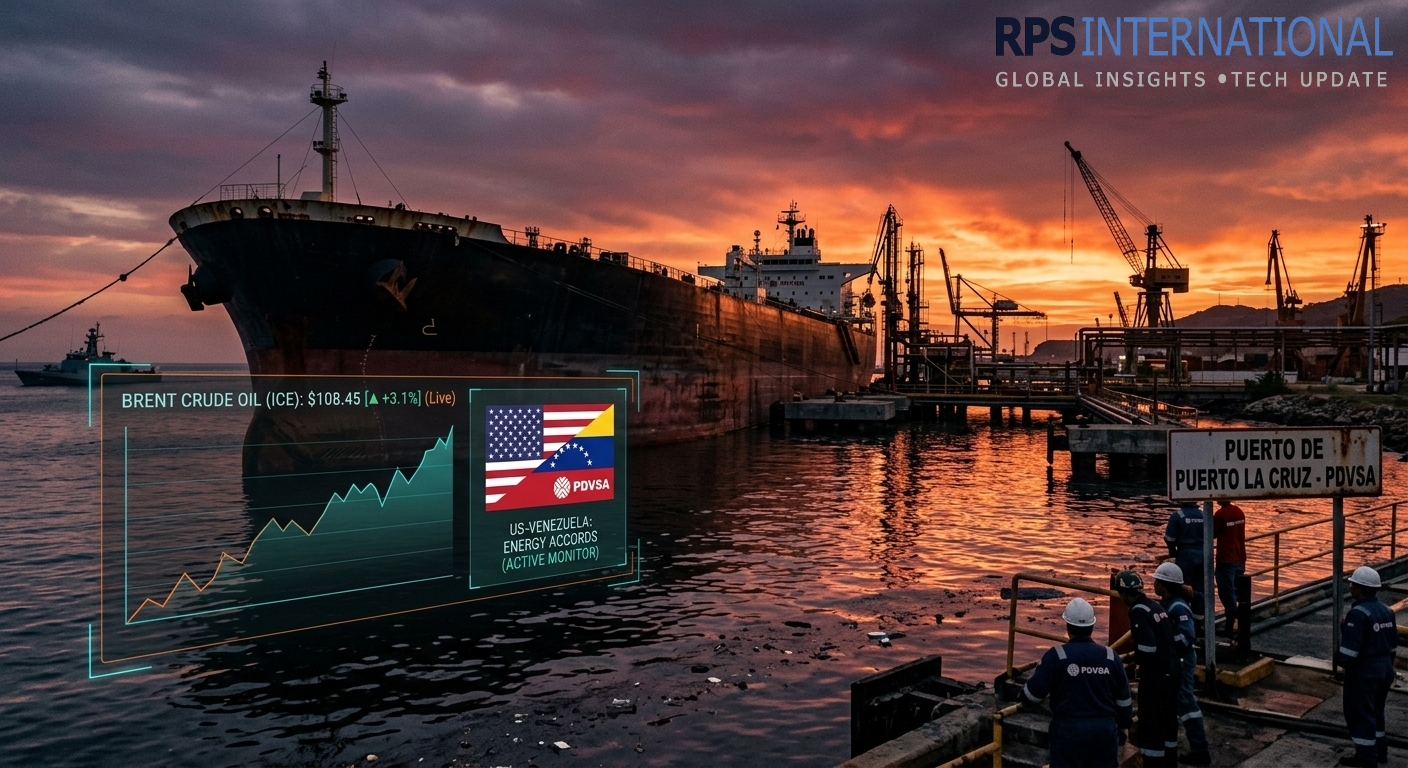
US Gulf Coast refineries are sophisticated ‘heavy oil’ machines. In 2026, with Canadian production at capacity and Mexican exports declining, Venezuela remains the only massive, underutilized source of the heavy crude required to produce diesel and jet fuel at scale. A deal would solve the technical deficit that is driving up commercial costs.
The Sanctions Exit-Ramp
The 2026 proposal includes a ‘Strict Escrow’ model. Funds from US oil purchases would be deposited in transparent accounts used exclusively for Venezuelan food, medicine, and electrical infrastructure. This model allows Washington to claim a humanitarian victory while securing the energy supplies needed to cool domestic inflation.
“We are seeing a return to ‘Energy Pragmatism.’ The 2026 market doesn’t care about ideology; it cares about supply. If Venezuelan oil can shave 50 cents off the price of a gallon in the Midwest, the political barriers to a deal will evaporate faster than anyone predicted. The challenge is ensuring the revenue doesn’t further entrench regional instability.”
— Julian Vane, Global Energy Analyst 2026
Energy Security Briefing.
How will the US-Venezuela pivot impact your portfolio? Access the 2026 Strategic Petroleum & Sanctions Report.