
THE ENERGY
CHOKEPOINT
The Anatomy of a Supply Shock
Liquidity & Logistics
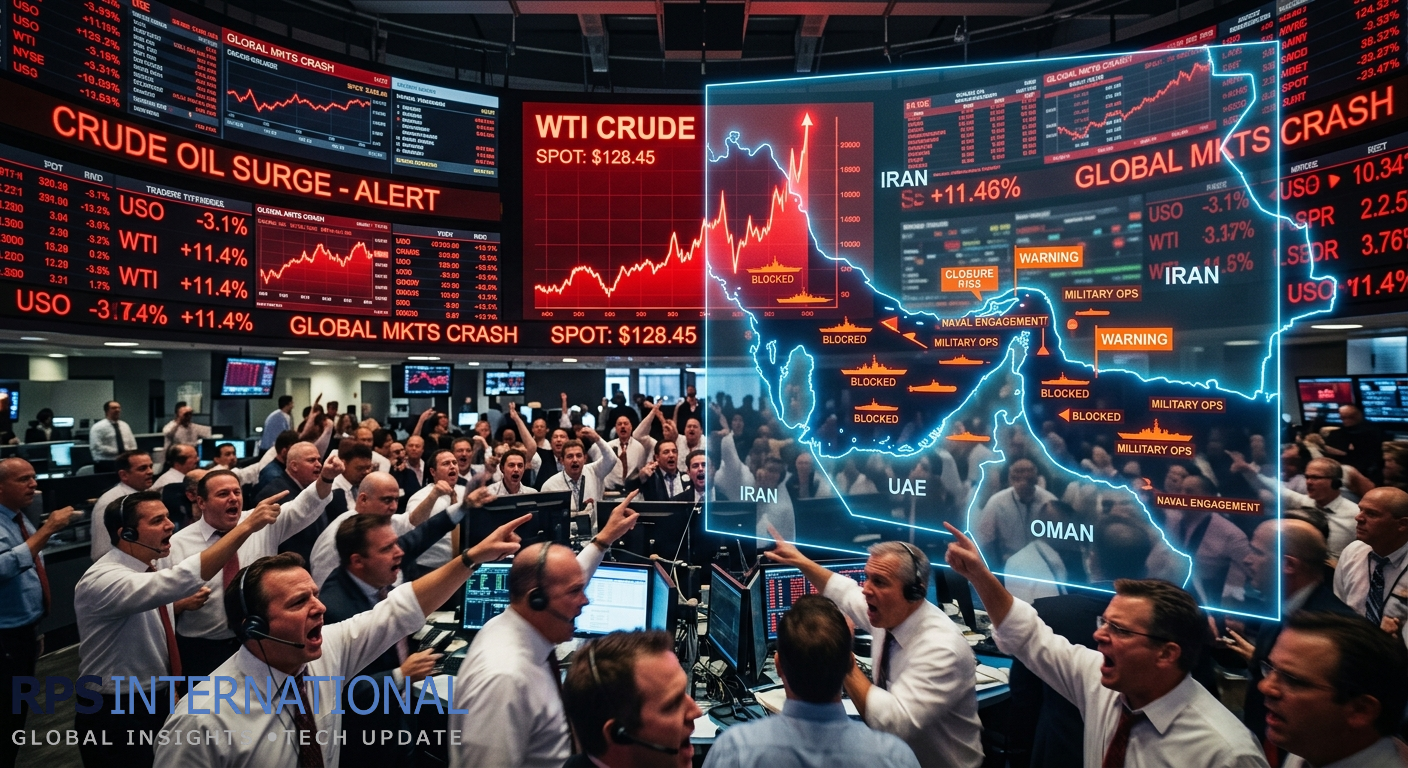
The blockade doesn’t just stop oil; it stops the ‘Float.’ Millions of barrels are currently stuck in transit, causing a surge in freight insurance premiums. In 2026, the cost to insure a VLCC (Very Large Crude Carrier) passing through the region has increased tenfold in just 72 hours, effectively halting non-military maritime traffic.
Inflationary Contagion
Energy is the ‘Input of Everything.’ Analysts warn that if the Hormuz blockade lasts past April, the resulting energy costs will filter into food prices and manufacturing, potentially forcing central banks to hike interest rates to combat ‘Second-Round Effects,’ even as the economy slows down.
“We are seeing a ‘Fear Premium’ unlike anything since 1973. The difference in 2026 is our interconnectedness. A blockage in Hormuz doesn’t just affect gas stations in London; it threatens the solvency of energy-heavy industries globally. We are in uncharted waters.”
— Julian Vane, Global Energy Analyst 2026
Protect Your Portfolio.
How vulnerable are your assets to the Middle East crisis? Access the 2026 Market Volatility & Hedging Strategy Report.